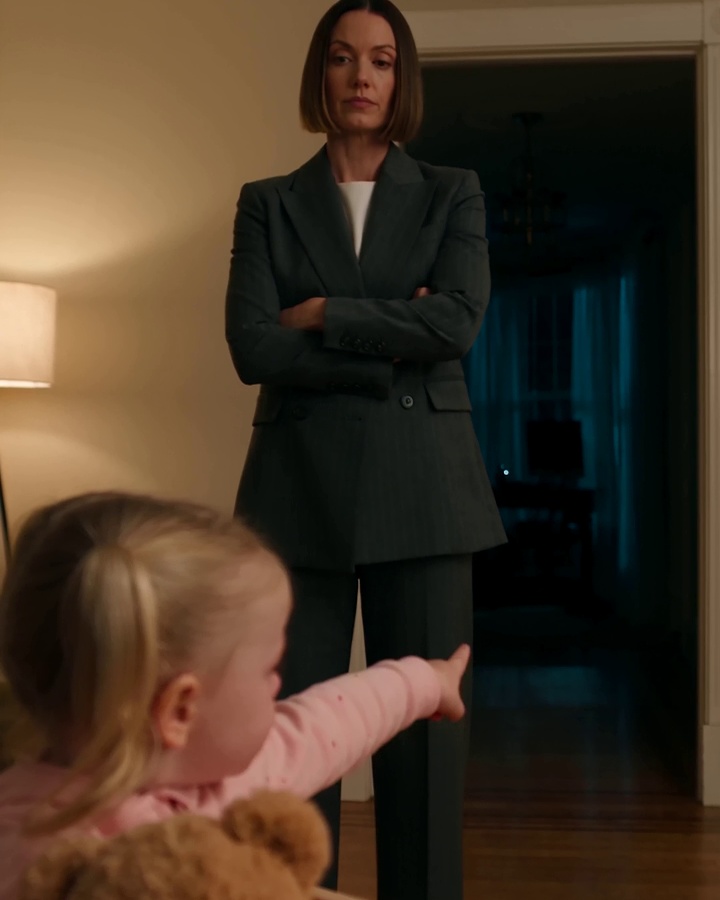
Lily Was Blamed for Shattering Grandma Helen’s Favorite Vase — Then the Pet Camera Showed She Never Touched It
Chapter 10 — The Vase Was Broken, But the Story Wasn’t
Helen eventually took several large pieces of the vase to a local ceramic repair studio.
The owner examined them.
Not every fragment could be restored.
The impact had shattered part of the base into pieces too small to reconstruct cleanly.
Helen was disappointed.
Then the owner offered another idea.
Instead of pretending the vase had never broken, she could preserve several painted sections inside a shallow display frame.
Helen considered it.
Then smiled.
“Do that.”
A few weeks later, the finished frame arrived.
Three curved ceramic pieces had been mounted against a soft backing.
The blue floral pattern still connected across them.
Beneath the pieces, Helen added a small card herself.
Claire read it.
THE VASE BUDDY BROKE.
Then underneath:
THE DAY GRANDMA LEARNED TO ASK FIRST.
Lily laughed.
“Buddy did it!”
Helen smiled.
“The historical record has been corrected.”
Buddy lay on the rug.
He wagged his tail.
Everyone moved slightly farther away from the new side table.
The original vase was gone.
Helen missed seeing it filled with flowers.
But she never wished the entire story away.
Because the accident had exposed something she needed to understand.
The vase had been important.
But the moment it broke, Helen treated protecting the meaning of the object as more important than protecting Lily from an unfair accusation.
She had not intended to be cruel.
She had simply been too certain.
That certainty hurt anyway.
Months later, Lily asked to help Helen arrange flowers.
Helen handed her a new ceramic pitcher.
Lily looked surprised.
“I can hold it?”
Helen immediately understood the question beneath the question.
“Yes.”
“What if I drop it?”
Helen smiled.
“Then we’ll deal with what actually happens.”
Lily carefully carried the pitcher to the table.
Nothing broke.
But Helen felt something repair anyway.
The memory of the original afternoon stayed vivid.
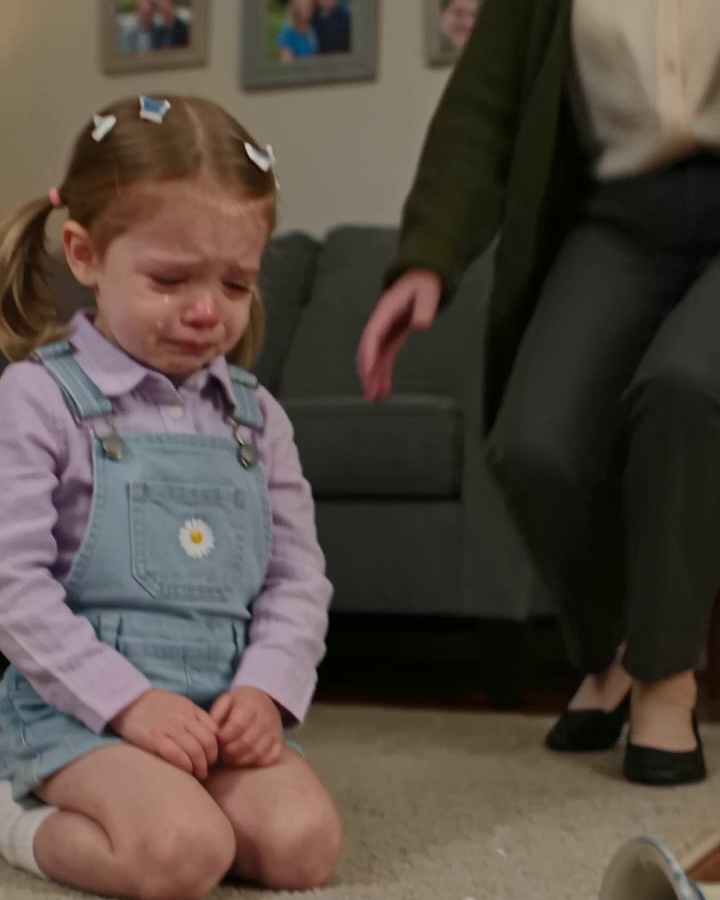
Lily sitting beside shattered ceramic.
Tears running down her face.
Helen staring at the mess.
“Sweetheart… did you break this?”
Lily shaking her head.
“I didn’t.”
Helen looking at where she stood.
Looking at the broken vase.
And deciding the two facts connected.
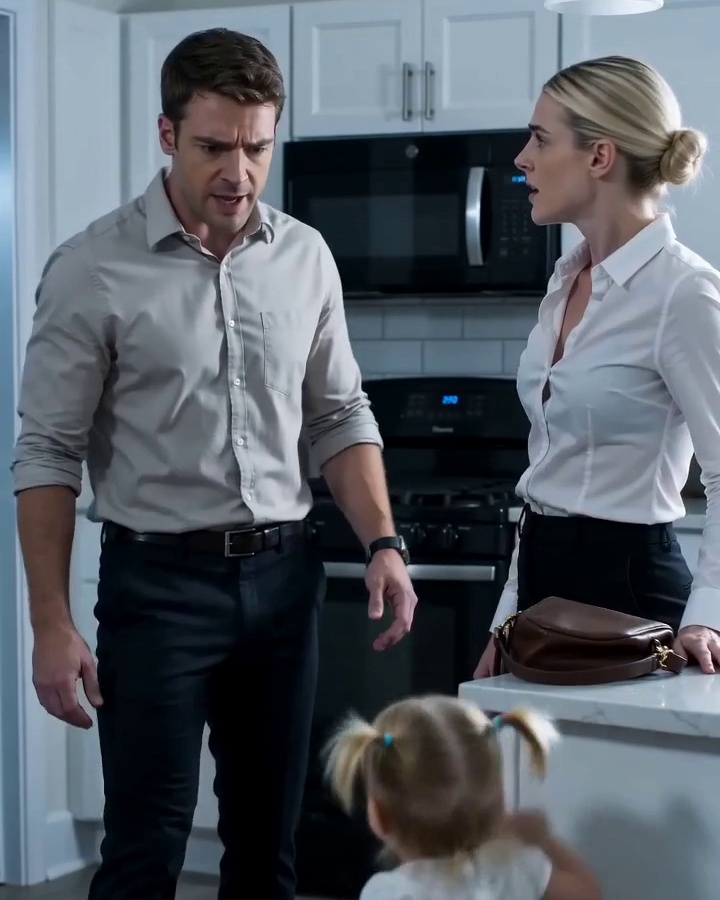
Then Claire arriving.
“Did you actually see Lily touch it?”
No.
Nobody had.
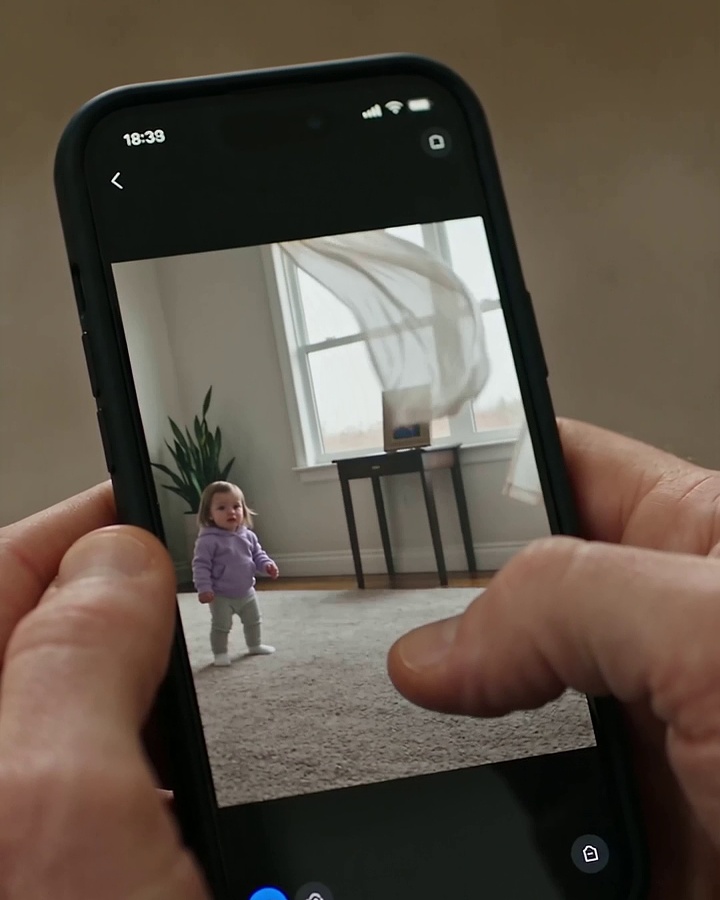
The pet camera showed the truth.
Lily coloring quietly.
Buddy entering after being startled by the robot vacuum.
The dog moving beside the narrow table.
One bump.
One wobble.
The vase tipping.
Then the crash.
Only afterward did Lily stand.
Only afterward did she move toward the pieces.
“Lily never touched it.”
That should have been enough.
But the footage also forced Helen to look at everything that happened before Buddy entered.
She had moved the vase.
She knew the side table was imperfect.
She scheduled the vacuum even though Buddy hated it.
Then, when several small choices combined into one accident, she looked for a single person to explain the entire mess.
The youngest person in the room became that explanation.
That was easier than accepting that accidents often have several causes.
And sometimes nobody deserves punishment at all.
Buddy did not knock the vase down deliberately.
Lily did nothing.
Helen made choices that increased the risk without realizing how they would combine.
The correct response was not:
Who should be blamed?
It was:
What actually happened?
That question became one of Helen’s favorite family rules.
A year later, another crash came from the kitchen.
Helen hurried in.
Lily stood beside a broken plate.
Buddy was nowhere nearby.
Helen looked at the plate.
Then at Lily.
She did not say:
“You broke it.”
She asked:
“What happened?”
Lily took a breath.
“I dropped it.”
Helen nodded.
“Okay.”
They cleaned it safely.
No crying.
No camera.
No argument.
Afterward Lily asked:
“You’re not mad?”
Helen smiled.
“I’m not happy about losing a plate.”
Then:
“But you told me what happened.”
Lily nodded.
Helen looked toward the framed ceramic pieces from the old vase.
That was what she had wanted all along.
Not perfect objects.
Not a house where nothing ever broke.
A family where people could tell the truth without being assigned a story before they had the chance.
And every time Helen saw the blue pieces mounted on the wall, she remembered the little girl beside the shattered vase saying the same thing again and again:
“I didn’t.”
This time…
Grandma Helen had learned to listen before needing a camera to prove it.
THE END
“`